
The Vertical Garden Renaissance: Best Plants for Trellises and Climbing Structures
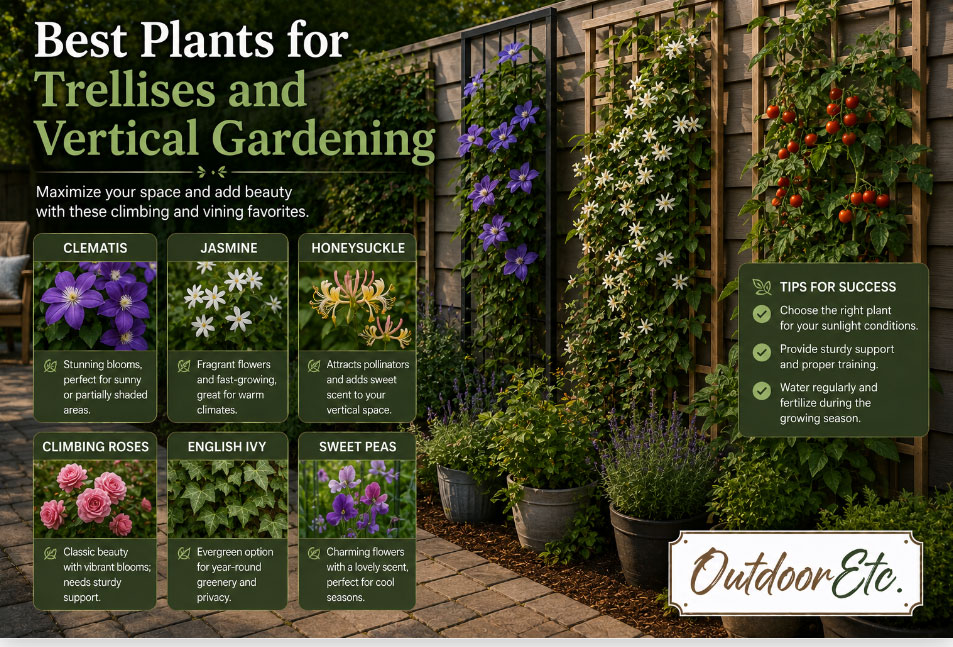
There's a quiet revolution happening in backyards, balconies, and community garden plots across the country: gardeners are looking up. As lot sizes shrink and urban living stretches even seasoned green thumbs into smaller footprints, vertical gardening has moved from a niche technique to a mainstream necessity. A trellis, an obelisk, a simple length of twine strung between two posts — these humble structures can turn a narrow strip of soil into a lush, productive wall of green.
But not every plant wants to climb, and not every climber climbs the same way. Choosing the right plant for your trellis is part science, part personality match. Some vines twist and twine on their own; others need coaxing with ties and clips. Some are food-producing workhorses, others pure ornamental drama. This guide walks through the best options for flowers, food, fragrance, and fast privacy screening, along with the practical details — sun, soil, watering, and structural needs — that determine whether your vertical garden thrives or sulks.
Why Vertical Gardening Deserves a Spot in Every Yard
Growing upward instead of outward solves more problems than most gardeners realize before they try it.
Space efficiency is the obvious win. A trellis lets you grow pole beans, cucumbers, or clematis in a two-foot-wide bed that would otherwise support half as much sprawling growth. For anyone gardening in a condo courtyard or a narrow city lot, this alone can double usable growing space.
Airflow and disease reduction matter just as much, especially for vegetables. Cucumbers and squash grown flat on the ground are far more prone to powdery mildew and fruit rot because leaves stay damp and crowded. Lifting the foliage into open air lets sun and wind dry the leaves faster, which cuts down on fungal problems significantly.
Better harvests, less searching. Anyone who has crawled through a pumpkin patch hunting for a well-camouflaged zucchini knows the appeal of vertical growing: fruit hangs in plain sight, cleaner and easier to pick.
Privacy and structure, too. A well-placed trellis of fast climbers can replace a fence, soften a blank wall, or divide a garden into rooms — all while doing the job a hedge would do in a fraction of the space and time.
How Climbing Plants Actually Climb
Before picking plants, it helps to understand how they climb, because that determines what kind of trellis they need.
- Twining stems wrap themselves around any narrow support — think wisteria, morning glory, and honeysuckle. These need thin verticals like wire, string, or slim wood slats to grip.
- Tendrils are thin, curling growths that reach out and clasp onto nearby structures, as seen in sweet peas, grapes, and passionflower. They also prefer narrow supports.
- Adhesive holdfasts or aerial roots let plants like climbing hydrangea, English ivy, and trumpet vine stick directly to flat surfaces such as brick or wood siding, no trellis required (though a trellis keeps growth more controlled).
- Scramblers and ramblers, including many climbing roses, don't truly climb at all. They produce long canes that need to be manually tied to a support as they grow.
Matching climbing style to structure is the single most common mistake new gardeners make. A twining vine planted next to a solid lattice panel with wide gaps will flop rather than climb; it needs something slender to spiral around.
Best Flowering Vines for Ornamental Trellises
Clematis
Often called the "queen of climbers," clematis offers an enormous range of flower shapes, colors, and bloom times, from the star-shaped purple blooms of Jackmanii to the delicate bells of species types. Clematis climbs by wrapping its leaf stalks around supports, so it needs something narrow — wire, twine, or a slim trellis grid.
Clematis has a well-known quirk: gardeners say it likes "its head in the sun and its feet in the shade," meaning the root zone should stay cool and shaded (mulch or a low companion plant helps) while the top growth reaches for full light.
Climbing Roses
Not a true vine, but no vertical garden conversation is complete without them. Varieties like 'New Dawn,' 'Zephirine Drouhin,' and 'Climbing Iceberg' produce long, arching canes that, tied loosely to a trellis or arbor, deliver months of repeat bloom. Because roses don't climb on their own, plan on tying canes horizontally when possible — this encourages more flowering side shoots than training them straight up.
Sweet Peas
For fast, fragrant, cottage-garden charm, sweet peas are hard to beat. They're annuals, so they won't return next year, but they grow quickly from seed and climb tendrils up netting, twine, or a pea trellis. Sweet peas prefer cool weather, so in most regions they're best planted in early spring or, in mild-winter climates, in fall for spring bloom.
Morning Glory and Moonflower
Morning glory delivers fast, exuberant twining growth and trumpet-shaped flowers that open with the sun. Its nocturnal cousin, moonflower, unfurls large white blooms at dusk and releases a sweet fragrance — a lovely pairing for anyone who spends evenings on a porch or patio. Both are vigorous annual growers that can cover a trellis in a single season.
Black-Eyed Susan Vine
A cheerful, compact twiner with bright orange-yellow flowers and a dark center, this vine performs beautifully in containers on a small obelisk or balcony trellis. It's more restrained than morning glory, making it a better fit for tight spaces.
Wisteria
Dramatic, long-lived, and famously vigorous, wisteria produces cascading clusters of lavender or white blooms in spring. It's a twining vine with serious strength — mature wisteria can crush a flimsy trellis or damage siding, so it needs a sturdy, well-anchored structure like a wooden arbor or metal pergola. Patience is part of the deal too; wisteria grown from seed can take years to flower, so most gardeners start with a grafted plant.
Honeysuckle and Jasmine
Both prized for fragrance as much as flower. Trumpet honeysuckle and its relatives twine readily and attract hummingbirds, while star jasmine (in warmer climates) offers glossy evergreen foliage and intensely perfumed white flowers. These are excellent choices near windows, doorways, or seating areas where scent can be appreciated up close.
Best Vegetables and Edibles for Vertical Gardening
Pole Beans
Among the easiest and most rewarding vertical vegetables, pole beans twine readily up a simple bamboo teepee or string trellis and produce for months longer than bush varieties. Varieties like 'Kentucky Wonder' and 'Blue Lake' are reliable, heavy producers.
Cucumbers
Vining cucumber varieties (as opposed to compact bush types) climb readily on a trellis or cattle-panel arch, keeping fruit straight, clean, and easy to spot. Growing cucumbers vertically also dramatically reduces the powdery mildew and rot issues common when vines sprawl on damp soil.
Peas
Both snap and snow pea varieties climb via tendrils and appreciate a trellis, netting, or even brushy branches pushed into the soil (a traditional technique called "pea sticking"). Because peas are a cool-season crop, they're typically among the first vertical plantings of spring.
Indeterminate Tomatoes
Indeterminate tomato varieties keep growing and producing all season and benefit enormously from a sturdy trellis, cage, or string-and-clip system. Vertical training improves airflow, reduces soil-borne disease splash-back, and makes harvesting far easier than wrestling with a sprawling plant.
Malabar Spinach
A heat-loving, twining vine that produces glossy, edible leaves used much like spinach in cooking. Because it thrives in the heat of summer when true spinach bolts, it's a clever way to keep leafy greens coming through the hottest months, and it climbs eagerly up any narrow trellis.
Winter Squash and Small Pumpkins
Vining winter squash can be trained up a very sturdy trellis or cattle panel, provided the structure can handle the weight of developing fruit. Slings made from old pantyhose, mesh bags, or fabric strips can support heavier squash and pumpkins as they mature on the vine.
Fast-Growing Vines for Privacy Screens
For gardeners who want to hide a chain-link fence, block a neighbor's view, or create a green wall quickly, a handful of vigorous growers stand out.
Hops grow astonishingly fast — often six to eight inches a day at peak season — and die back to the ground each winter, making them a low-maintenance, non-invasive choice for seasonal screening (and a fun option for home brewers).
Silver lace vine produces a dense curtain of foliage and clouds of tiny white flowers by late summer, growing fast enough to cover an unsightly structure in a single season. It can be aggressive, so it's best kept away from delicate neighboring plants.
Trumpet vine climbs by aerial roots directly onto walls and fences, producing bright orange-red tubular flowers that hummingbirds adore. It spreads vigorously by both seed and root suckers, so it's best suited to a spot where it has room to roam, or where a barrier can contain the roots.
Climbing hydrangea is slower to establish than the vines above but rewards patience with lacy white flower clusters and handsome exfoliating bark in winter. It clings via aerial roots and tolerates more shade than most flowering vines, making it a strong choice for a north-facing wall.
Boston ivy, despite the name, isn't a true ivy but a member of the grape family. It clings tightly to brick and stone and turns brilliant shades of red and orange in fall, making it a classic choice for covering large masonry surfaces.
Comparison Table: Top Plants for Trellises and Vertical Gardens
| Plant | Type | Climbing Style | Sun Needs | Mature Height | Growth Speed | Best Use |
|---|---|---|---|---|---|---|
| Clematis | Perennial vine | Twining leaf stalks | Full sun to part shade | 6–12 ft | Moderate | Ornamental trellis, arbor |
| Climbing Rose | Perennial shrub | Scrambler (needs tying) | Full sun | 8–15 ft | Moderate | Arbor, fence, wall |
| Sweet Pea | Annual vine | Tendrils | Full sun to part shade | 4–6 ft | Fast | Cottage garden, cutting flowers |
| Morning Glory | Annual vine | Twining | Full sun | 8–12 ft | Fast | Quick seasonal cover |
| Wisteria | Perennial vine | Twining | Full sun | 15–30+ ft | Fast (once established) | Pergola, sturdy arbor |
| Honeysuckle | Perennial vine | Twining | Full sun to part shade | 10–20 ft | Fast | Fragrance, wildlife garden |
| Pole Beans | Annual vegetable | Twining | Full sun | 6–10 ft | Fast | Food production |
| Cucumber (vining) | Annual vegetable | Tendrils | Full sun | 6–8 ft | Fast | Food production |
| Peas | Annual vegetable | Tendrils | Full sun to part shade | 2–6 ft | Moderate | Cool-season food crop |
| Indeterminate Tomato | Annual vegetable | Requires tying | Full sun | 6–10 ft | Moderate–fast | Food production |
| Hops | Perennial vine | Twining | Full sun | 15–25 ft | Very fast | Privacy screen, seasonal |
| Trumpet Vine | Perennial vine | Aerial roots | Full sun to part shade | 20–40 ft | Very fast | Fast screening, wildlife |
| Climbing Hydrangea | Perennial vine | Aerial roots | Part shade | 30–50 ft | Slow to start | Shady walls, structure |
| Boston Ivy | Perennial vine | Adhesive tendrils | Full sun to part shade | 30–50 ft | Fast | Masonry walls, fall color |
Choosing the Right Trellis Material
The plant and the structure need to be chosen together, not as an afterthought.
Wood trellises offer a warm, classic look and pair well with roses, clematis, and other ornamental climbers, though untreated wood eventually rots and should be replaced or sealed periodically. Metal obelisks and cattle panels hold up for decades, handle heavier plants like squash and grapes, and work well bent into arches over garden paths. Bamboo and string trellises are the cheapest and most flexible option, ideal for annual vegetables like beans and peas that only need one season of support. Wire grids or cable systems mounted a few inches off a wall give twining and tendril vines something to grip without damaging siding, and they're a favorite for training fruit trees and grapevines in a flat, space-saving form called espalier.
As a rule of thumb, match structure strength to plant weight: annual flowers and light vegetables do fine with twine or bamboo, while wisteria, climbing roses, grapes, and heavy squash need something anchored solidly into the ground or a wall.
Care and Maintenance Tips for Vertical Gardens
Vertical growing isn't entirely hands-off, and a few habits make the difference between a tidy green wall and a tangled mess.
- Train early and often. Gently guide new growth toward the support in the first few weeks; once a vine establishes a direction, it tends to keep growing that way.
- Tie loosely. Use soft garden twine or plant clips rather than tight wire, which can girdle stems as they thicken.
- Water at the base, not overhead, especially for vegetables — wet foliage invites fungal disease, and vertical growing is partly meant to avoid that problem in the first place.
- Feed vigorous bloomers. Heavy flowering vines like clematis and climbing roses benefit from a balanced fertilizer in spring and a phosphorus boost before bloom season.
- Prune with purpose. Know whether a vine blooms on old wood or new growth before cutting it back; pruning at the wrong time can remove an entire season's flowers. Clematis, in particular, is grouped into pruning categories that determine timing.
- Check the structure annually. Wood rots, wire loosens, and joints weaken — inspect supports before spring growth surges, since it's much harder to reinforce a trellis once it's covered in foliage.
Common Mistakes to Avoid
Even experienced gardeners run into a few recurring pitfalls with vertical growing.
Choosing a trellis that's too small for the plant's mature size is probably the most common error — wisteria and trumpet vine, in particular, are frequently planted on flimsy garden-center trellises that collapse within a couple of seasons. Planting a twining vine on a solid, gap-free panel is another frequent mismatch; without something narrow to wrap around, twiners simply flop instead of climbing. Overcrowding is a third issue: several fast growers planted too close together will compete fiercely, and one usually smothers the other by midsummer. Finally, ignoring root space matters more than gardeners expect — a vine trained to grow eight feet tall still needs a proportionate root system below, so a container that's too small will stunt growth no matter how good the trellis is.
Design Ideas for a More Interesting Vertical Garden
Mixing plant types rather than repeating one species creates a far more dynamic display. Pairing a fast annual like morning glory with a slower perennial like clematis gives instant coverage in year one while the longer-lived plant establishes underneath. Combining a flowering vine with an edible one — sweet peas alongside pole beans, for instance — adds color to a vegetable trellis without sacrificing productivity. Layering heights also helps: a low trellis of black-eyed Susan vine in front of a tall wisteria-covered arbor gives a garden bed visual depth instead of one flat wall of green.
Frequently Asked Questions
What is the fastest-growing vine for a trellis?
Among annuals, morning glory and sweet peas cover a trellis within weeks of germination. Among perennials, hops and trumpet vine are known for extremely rapid seasonal growth, often several inches a day once established.
Can vertical gardening be done in containers?
Yes. Compact vines like black-eyed Susan vine, dwarf sweet peas, and many vegetable varieties bred for containers do well with a small obelisk or tuteur trellis inserted directly into a pot.
Do all climbing plants need a trellis?
No. Some, like Boston ivy and climbing hydrangea, cling directly to walls using aerial roots or adhesive pads. Others, like most groundcover-type vines, will climb given a support but sprawl attractively if left without one.
How far apart should trellis plants be spaced?
Spacing depends heavily on the plant's mature spread, but as a general guide, vigorous vines like wisteria or trumpet vine need at least 6 to 10 feet, while annual vegetables like pole beans can be spaced 4 to 6 inches apart along a trellis line.
Are trellis vines bad for house siding?
Vines with aerial roots or adhesive holdfasts, such as English ivy or trumpet vine, can trap moisture and damage wood siding or mortar over time. Twining and tendril vines grown on a wire system a few inches off the wall avoid this problem entirely.
Helpful Resources for Further Reading
For gardeners who want to dig deeper into species selection, regional planting times, or pruning schedules, a few well-established horticultural resources are worth bookmarking:
- Missouri Botanical Garden Plant Finder — a searchable database with detailed care information for thousands of ornamental plants, including most vines listed above.
- Royal Horticultural Society — extensive growing guides on climbers, pruning groups for clematis, and seasonal care calendars.
- University of Minnesota Extension — practical, region-specific advice on vegetable trellising and vertical vegetable gardening.
- National Gardening Association — active gardener forums and plant databases useful for troubleshooting specific growing problems.
- Cornell University College of Agriculture and Life Sciences — research-backed guidance on vine pruning, disease management, and structural support systems.
Final Thoughts
A trellis is a small investment that pays back in space, beauty, and often food. Whether the goal is a fragrant evening seating area wrapped in jasmine, a productive bean and cucumber wall in a tight vegetable bed, or a fast privacy screen to replace a bare fence, there's a climbing plant suited to nearly every condition and every level of patience. The real trick isn't finding a plant that climbs — it's matching that plant's natural habit, mature size, and appetite for sun to a structure built to hold it. Get that pairing right, and a flat, ordinary yard starts growing in a whole new direction.