
Trellises
Trellises are versatile and valuable additions to any garden. They provide support for climbing plants, enhance the aesthetic appeal of your outdoor space, and help maximize space in smaller gardens. By choosing the right materials and installation methods, you can enjoy the benefits of a beautiful and functional garden feature that will thrive for years to come.
Whether you opt for a simple lattice design or a decorative arch trellis, there's a perfect trellis to suit your needs.






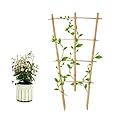
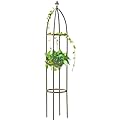
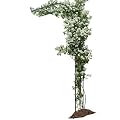
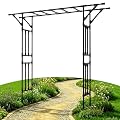
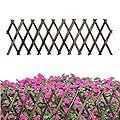
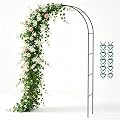
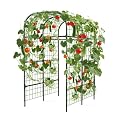

What is a Trellis?
A trellis is a framework, often made of wood, metal, or plastic, that supports climbing plants or vines. It can be a standalone structure, or it can be attached to a wall, fence, or other surfaces to provide vertical support for plants. Trellises are used for a variety of purposes, including:
- Supporting climbing plants and vines.
- Creating vertical space in a garden.
- Adding privacy or acting as a decorative element.
- Enhancing garden design with structured greenery.
Trellises come in a range of shapes, sizes, and designs, from simple rectangular frames to elaborate arched or lattice structures. Regardless of their form, all trellises serve the purpose of supporting plants while enhancing the visual appeal of your outdoor space.
Why Choose a Trellis?
There are many reasons why trellises are a popular choice for gardens and outdoor spaces. Whether you're an avid gardener or someone just starting to explore the world of plants, a trellis can offer a range of benefits, including:
1. Space Efficiency
Trellises make use of vertical space, allowing you to grow climbing plants without taking up precious horizontal space. This is especially useful in smaller gardens or urban environments where space is limited. With a trellis, you can maximize the available space and grow a wide variety of plants without overcrowding your garden beds.
2. Support for Climbing Plants
Climbing plants and vines need support to grow properly, and a trellis provides that support. It allows plants like tomatoes, cucumbers, peas, beans, and flowering vines like jasmine or clematis to grow upwards, keeping them off the ground and making them easier to manage. This support system ensures healthy growth and better yields.
3. Aesthetic Appeal
Trellises are not just functional but also add beauty and charm to any garden. A well-designed trellis can serve as a decorative element in your outdoor space, creating visual interest and acting as a backdrop for flowering plants. Trellises can be a key design feature, adding structure and height to a garden while allowing plants to cascade over the framework.
4. Increased Privacy
For those looking for a little extra privacy in their backyard or garden, a trellis can act as a natural screen. When covered with climbing plants like ivy or roses, a trellis can create a private, secluded area, perfect for relaxing or entertaining. It can also help block out unsightly views, such as a neighbor's house or a busy street.
5. Versatility
Trellises come in various shapes and sizes, and they can be used in a variety of ways. You can place them against a wall, fence, or freestanding in the middle of a garden bed. Some trellises are designed to be used in raised garden beds or containers, while others are made for larger climbing plants or even trees.
Types of Trellises
Trellises come in many different designs and configurations, each suited for specific plants, spaces, and uses. Below are some of the most popular types of trellises:
1. Freestanding Trellises
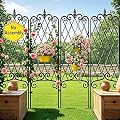
Freestanding trellises are independent structures that do not require any support from a wall or fence. They are placed directly in the ground and are often used for climbing plants that grow on their own. Freestanding trellises come in a variety of shapes and sizes, from simple vertical panels to more elaborate arched or curved designs. These trellises are ideal for gardens where you want to create a dedicated climbing plant area without needing an existing structure for support.
Pros:
- Flexible placement—can be moved around the garden.
- Ideal for larger plants or spaces.
- Adds height and structure to a garden.
Cons:
- May require additional anchoring in windy areas.
- Can take up more space compared to wall-mounted options.
2. Wall-Mounted Trellises
Wall-mounted trellises are attached directly to a wall, fence, or other vertical surface. These trellises are perfect for growing plants that need support but do not require a large amount of space. Wall-mounted trellises are often used for smaller plants, such as climbing roses, ivy, or even small vegetables like peas or beans. They can also be used to create a focal point or decorative feature in your outdoor space.
Pros:
- Space-saving—perfect for small gardens or urban environments.
- Easy to install and maintain.
- Can create a visually striking feature on a wall.
Cons:
- Limited to areas where you have an existing wall or surface for attachment.
- May not provide enough space for larger plants.
3. Arch Trellises
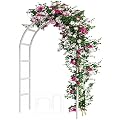
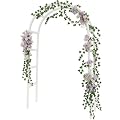
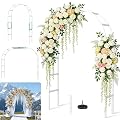
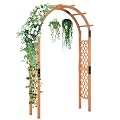
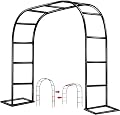
Arch trellises are a popular choice for creating an elegant and romantic look in your garden. These trellises are typically freestanding and feature a curved arch design, allowing plants to climb both sides of the structure. Arch trellises are often used for decorative purposes, such as creating an entrance to a garden or pathway, or for growing flowering plants like roses, wisteria, or honeysuckle.
Pros:
- Adds a dramatic and visually striking element to your garden.
- Great for creating garden entrances or walkways.
- Can support a variety of climbing plants.
Cons:
- May require more space due to its size and design.
- Can be more expensive compared to simpler trellises.
4. Lattice Trellises
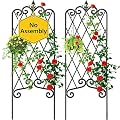
Lattice trellises are made up of crisscrossed wooden or metal slats that create a grid pattern. These trellises are commonly used to support climbing plants like peas, beans, and vines, as the plants can easily weave through the grid. Lattice trellises are often used for decorative purposes as well, providing a classic, timeless look to gardens and patios.
Pros:
- Provides strong support for plants.
- Offers a classic, attractive design.
- Ideal for growing a variety of climbing plants.
Cons:
- Can be more difficult to install if using larger panels.
- May require regular maintenance, depending on material.
5. Decorative Trellises
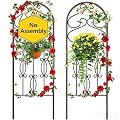
Decorative trellises are designed primarily for visual appeal. These trellises often feature intricate designs, such as floral patterns, geometric shapes, or even custom artworks. While decorative trellises can support plants, their main function is to enhance the aesthetic value of your garden. They are often used as focal points, entryway features, or to add character to empty spaces.
Pros:
- Adds a high level of visual appeal to your garden.
- Perfect for creating unique garden features or centerpieces.
- Available in a wide variety of designs.
Cons:
- May not be as durable or functional as other types of trellises.
- Can be more expensive due to their intricate designs.
6. Raised Bed Trellises
Raised bed trellises are designed to be used with raised garden beds, providing vertical support for climbing plants that grow within the bed. These trellises often come with built-in frames that attach to the edges of the bed, allowing plants to grow upward without spreading out too much horizontally. Raised bed trellises are perfect for gardeners with limited space or for those who want to keep their plants off the ground to avoid pests.
Pros:
- Perfect for small gardens or raised bed setups.
- Keeps plants off the ground, making them easier to manage.
- Helps with better airflow and reduces disease risks.
Cons:
- Limited to use with raised garden beds.
- May not support larger plants.
Materials for Trellises
The material of your trellis plays a crucial role in its durability, appearance, and overall performance. Different materials come with various benefits and drawbacks, depending on your gardening needs and the aesthetic you want to achieve.
1. Wood Trellises
Wood is one of the most popular materials for trellises, especially for gardeners looking for a natural and rustic look. Wooden trellises can be made from various types of wood, including cedar, pine, and redwood, each offering unique characteristics.
Pros:
- Natural and timeless aesthetic.
- Easy to work with for DIY projects.
- Ideal for creating a rustic, garden-inspired look.
Cons:
- Can rot over time, especially in humid or wet conditions.
- Requires regular maintenance, such as sealing or staining.
- May be more expensive depending on the type of wood.
2. Metal Trellises
Metal trellises are a durable and modern alternative to wood. They are often made from steel, wrought iron, or aluminum, providing strong support for climbing plants. Metal trellises can be powder-coated to prevent rust, making them a long-lasting option for gardens.
Pros:
- Strong and durable—ideal for supporting heavy plants.
- Low maintenance—resistant to rot and weather damage.
- Available in various designs, including intricate, decorative patterns.
Cons:
- Can be heavier and more difficult to move.
- May rust over time, especially if not properly coated.
- Can be more expensive than wood trellises.
3. Plastic Trellises
Plastic trellises are lightweight and affordable options for gardeners. They are often made from PVC or other weather-resistant plastic materials, making them resistant to rot and decay. Plastic trellises are available in a variety of designs, and many are easy to assemble and install.
Pros:
- Lightweight and easy to move or install.
- Resistant to rot and weather damage.
- Affordable and low maintenance.
Cons:
- May not be as sturdy as metal or wood.
- Can look less natural or authentic than wood or metal.
- Not as durable as other materials in extreme weather conditions.
4. Bamboo Trellises
Bamboo is a popular material for trellises due to its natural appearance and sustainable properties. Bamboo trellises are often lightweight yet sturdy, and they can be used for a variety of climbing plants. Bamboo is also known for its fast growth and renewable nature, making it an eco-friendly choice.
Pros:
- Sustainable and eco-friendly.
- Attractive natural appearance.
- Lightweight and easy to install.
Cons:
- May not be as durable as wood or metal.
- Can break or crack over time with excessive exposure to moisture.
Installing a Trellis
Installing a trellis is a relatively simple process, but the method will depend on the type of trellis you have chosen and the space where you want to place it. Here are some basic steps for installing a trellis:
1. Choose the Right Location
Consider the plant's needs and the amount of sunlight the area receives when choosing where to install the trellis. If you're planting a vine that thrives in full sun, place your trellis in a sunny spot. Also, think about the size of the trellis and ensure it fits the space without overcrowding other plants.
2. Prepare the Ground
If you're using a freestanding trellis, dig holes for the posts or anchors to ensure stability. For wall-mounted trellises, make sure the surface is suitable for attachment, and use appropriate screws or fasteners to secure the trellis in place.
3. Install the Trellis
Once the location is prepared, install the trellis according to the manufacturer's instructions. For freestanding models, make sure the posts are firmly anchored in the ground. For wall-mounted trellises, ensure that the fasteners are secure and that the trellis is level.
4. Plant Your Climbing Plants
After the trellis is installed, plant your climbing plants around the base. As the plants grow, guide their tendrils or vines toward the trellis, encouraging them to climb.
Maintaining Your Trellis
To ensure your trellis remains functional and attractive for years to come, regular maintenance is essential. Here's how to care for your trellis:
- Check for Stability: Periodically check that the trellis is still securely anchored or attached.
- Clean Regularly: Remove debris and plant matter from the trellis to prevent clogging and decay.
- Inspect for Damage: Look for any damage, such as cracks, rust, or breakage, and make repairs as needed.